 Log In
Search




 Open Access
 limi@smmu.edu.cn
yym3535@163.com
zouzui1980@163.com
limi@smmu.edu.cn
yym3535@163.com
zouzui1980@163.comMi Li, Department of Anesthesiology, Naval Medical University, 800 Xiangyin Road, Yangpu District, Shanghai 200433, China. Tel: +86-18601664447. E-mail: limi@smmu.edu.cn. Yimin Yuan, Department of Pain Therapy, Department of Anesthesiology, Naval Medical University, 800 Xiangyin Road, Yangpu District, Shanghai 200433, China. Tel: +86-13564440744. E-mail: yym3535@163.com. Zui Zou, Department of Anesthesiology, Naval Medical University, 800 Xiangyin Road, Yangpu District, Shanghai 200433, China. E-mail: zouzui1980@163.com.
Received September 22, 2025; Accepted January 8, 2026; Published April 1, 2026
Develops a competency-based framework tailored for pain medicine education, which integrates five core dimensions—clinical knowledge, practical skills, professionalism, communication, and innovative thinking—specifically aligned with anesthesiology undergraduates’ training needs.
Introduces a multi-method formative assessment system utilizing tools such as Objective Structured Clinical Examination, Mini-Clinical Evaluation Exercise, reflective journals, and case-based evaluations to enable continuous, process-oriented, and ability-focused learning feedback.
Proposes a structured implementation strategy with phased roll-out and stakeholder training to facilitate the transition from traditional summative testing to dynamic, feedback-driven assessment, enhancing both teaching quality and students’ clinical readiness.
Open Accesslimi@smmu.edu.cnyym3535@163.comzouzui1980@163.comMi Li, Department of Anesthesiology, Naval Medical University, 800 Xiangyin Road, Yangpu District, Shanghai 200433, China. Tel: +86-18601664447. E-mail: limi@smmu.edu.cn. Yimin Yuan, Department of Pain Therapy, Department of Anesthesiology, Naval Medical University, 800 Xiangyin Road, Yangpu District, Shanghai 200433, China. Tel: +86-13564440744. E-mail: yym3535@163.com. Zui Zou, Department of Anesthesiology, Naval Medical University, 800 Xiangyin Road, Yangpu District, Shanghai 200433, China. E-mail: zouzui1980@163.com.
Received September 22, 2025; Accepted January 8, 2026; Published April 1, 2026
Develops a competency-based framework tailored for pain medicine education, which integrates five core dimensions—clinical knowledge, practical skills, professionalism, communication, and innovative thinking—specifically aligned with anesthesiology undergraduates’ training needs.
Introduces a multi-method formative assessment system utilizing tools such as Objective Structured Clinical Examination, Mini-Clinical Evaluation Exercise, reflective journals, and case-based evaluations to enable continuous, process-oriented, and ability-focused learning feedback.
Proposes a structured implementation strategy with phased roll-out and stakeholder training to facilitate the transition from traditional summative testing to dynamic, feedback-driven assessment, enhancing both teaching quality and students’ clinical readiness.
Keywords: Post competency, Pain medicine, Formative assessment, Teaching reform, Medical education
Post competency is derived from the concept of competency proposed by Professor McClelland of Harvard University in 1973 and regarded as the fundamental quality that resident physicians should possess [1]. The competence of medical staff is influenced by various factors such as professional knowledge, clinical skills, values and attitudes, and to a certain extent, it is an observable ability. Formative assessment is involved in all aspects of teaching process, but due to practical constraints such as limited teaching hours, it cannot be implemented in every part [2, 3]. At present, there is no unified standard for defining the post competency of anesthesiologists in China. We reviewed two key frameworks: the six core competencies for medical student defined by the American Council for Graduate Medical Education—(patient care, medical knowledge, practice-based learning and improvement, interpersonal communication skills, professionalism, and systems-based practice)—and the seven competencies outlined by the University of Minnesota Medical School based on its own educational requirements and experience, including medical knowledge, clinical skills and patient care, professionalism, scientific and clinical inquiry, interpersonal communication skills, healthcare systems, and reflective practice [4, 5]. Through a synthesis and analysis of these frameworks, we concluded that the post competency for anesthesiology (specifically within the Pain Diagnosis and Treatment course) essentially encompasses the integrated development of five key dimensions: clinical pain knowledge, pain diagnostic and therapeutic procedural skills, professional responsibility, interpersonal communication skills, as well as scientific research and innovative thinking (Figure 1). However, for undergraduate anesthesiology students at the collegiate level, the educational objective extends beyond acquiring solid foundational knowledge. It should also focus on developing their comprehensive professional competence, self-development potential, and awareness of lifelong learning in preparation for future professional activities [6].

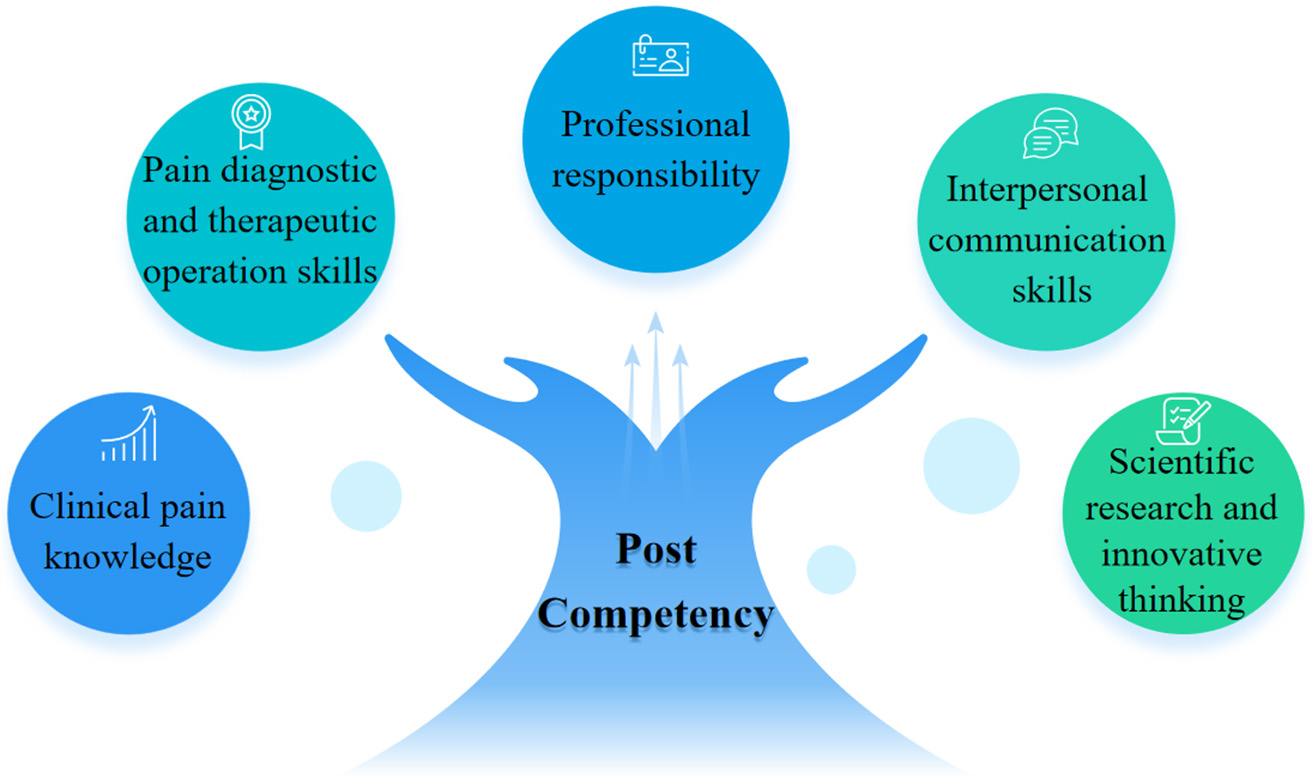
Figure 1. Five key dimensions of job competence in anesthesiology (pain diagnosis and treatment course).
2.1 Current situation
In the current undergraduate anesthesiology education system in China, 91.3% of institutions offer Pain Diagnosis and Treatment course. This course is typically a required component of the anesthesiology major, with class hours ranging from 16 to 54, of which practical teaching accounts for 4 to 18 hours [9]. Consequently, the constrained curriculum time often results in students’ learning remaining at a superficial, theory-focused stage.
The evaluation method employed in the Pain Diagnosis and Treatment course mainly focuses on summative assessment, which assesses students’ outcomes at the end of an instructional period. The main approach consists of a final written test. The content of this exam largely focuses on the memorization and understanding of theoretical knowledge points, such as the pathophysiology of pain (e.g., pain mechanisms), diagnostic criteria for common pain diseases, principles of pharmacotherapy, and mechanisms of nerve blocks. Typical question formats include multiple-choice items, definition of terms, short-answer questions, and case analyses. While these traditional methods have played a certain role in assessing students’ knowledge acquisition and fundamental understanding, a significant gap remains between their design and the goal of “post competency-oriented” emphasized by modern medical education.
2.2 Existing problems
The evaluation content is fragmented and disconnected from the requirements for integrated clinical competence. Classroom exercises and final written examinations often deconstruct the holistic clinical knowledge system into isolated, fragmented knowledge points for assessment. For example, students are required to recite definitions of pain and related diseases, list diagnostic methods for pain conditions, memorize side effects of certain analgesic drugs, or individually enumerate diagnostic criteria for specific diseases. Consequently, pain case analysis questions have been reduced to mere formalities, lacking genuine assessment of critical thinking in the diagnosis and treatment of pain cases.
Formative assessment is predominantly teacher-centered, lacking diversity in participation. During practical evaluations and classroom exercises, the decision-making authority is entirely concentrated with the teachers. Consequently, students—the primary learners—are deprived of opportunities for self-assessment, peer evaluation, and simulated patient feedback within the current evaluation system. This limitation leads to several issues: students often lack self-awareness and passively accept external evaluations, showing insufficient initiative in reflecting on their own strengths and weaknesses. The absence of peer evaluation prevents them from understanding their communication and collaboration skills from a colleague’s perspective, hindering the cultivation of teamwork. Furthermore, the lack of feedback from simulated patients makes it challenging to assess students’ levels of humanistic care, empathy, and communication skills.
Emphasizing learning outcomes while neglecting the learning process leads to the oversight of students’ efforts, progress, and cognitive growth. Key formative elements, such as participation and contribution in PBL/CBL discussions, improvement in simulated operations, and the enhancement of medical record writing quality, are either omitted from course design or not effectively implemented and evaluated. This outcome-oriented approach reinforces undesirable learning behaviors. For instance, most students tend to resort to cramming before exams, rather than actively participating, thinking deeply, and proactively constructing their knowledge system throughout the course. Moreover, students who improve slowly may have their progress entirely negated by a single exam failure, which could undermine their learning confidence and diminish enthusiasm.
Post competency is regarded as the fundamental quality that resident physicians should have. The development of competency must be strongly connected to clinical practice to guide physicians in observing and using it to assess the actual ability of the trainees [10]. Based on the above inductive analysis, the core competencies required for the anesthesiology major (specifically in the field of pain diagnosis and treatment) can be summarized as the integrated development of the following five aspects, including clinical pain knowledge, pain diagnostic and therapeutic procedural skills, professional responsibility, interpersonal communication skills, scientific research and innovative thinking. To align with this model, a clinical practice assessment will be conducted every 20 class hours. The following section will explain and elaborate on each of these core competency dimensions in conjunction with the requirements of pain diagnosis and treatment positions (see Table 1).
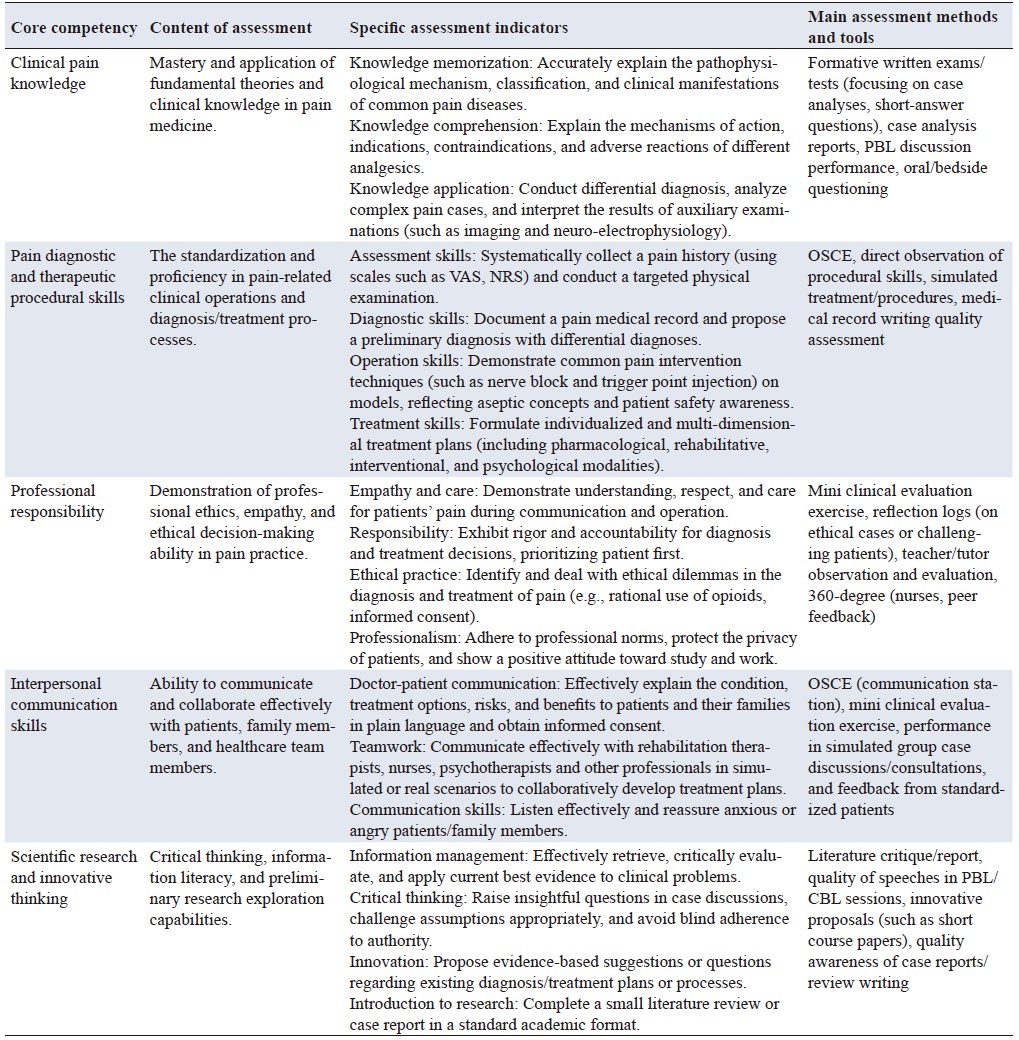
Note: PBL, problem-based learning; CBL, case-based learning; VAS, visual analogue scale; NRS, numeric rating scale; OSCE, objective structured clinical examination.
The construction of the post-competency model in this study was based on a systematic literature analysis. The research team established the core competency dimensions through the following steps:
Literature search and screening: Using Chinese and English keywords such as “pain medicine education”, “anesthesiology competency”, “clinical pain assessment”, and “medical education curriculum design”, a systematic search was conducted in the PubMed and CNKI databases for literature published between 2015 and 2025. The preliminary search yielded 314 articles in Chinese and 643 in English. Following a sequential screening process based on title, abstract, and full-text review, 28 high-quality articles relevant to pain medicine education were ultimately included (14 Chinese and 14 English articles).
Content analysis and dimension extraction: Thematic analysis and content synthesis were conducted on the included literature, with a focus on three key areas: (1) descriptions of pain-related abilities within internationally recognized general medical competency frameworks; (2) explicitly stated knowledge, skill, and attitude requirements in specialty pain medicine education literature; and (3) specific competency requirements for physicians in pain diagnosis and treatment within the Chinese clinical context. Through an iterative process of comparison, induction, and clustering, preliminary clusters of competency elements closely aligned with the pain management role were identified.
Dimension integration and model formation: The preliminary competency clusters were cross-referenced and integrated with the requirements for the pain module as outlined in China’s undergraduate medical education syllabus. After multiple rounds of discussion within the research team, these elements were aggregated, refined, and ultimately consolidated into five core dimensions: clinical pain knowledge, pain diagnosis and therapeutic procedural skills, professional responsibility, interpersonal communication and collaboration skills, as well as scientific research and innovative thinking. These five dimensions constitute the theoretical framework of this study.
Clinical pain knowledge: This dimension requires the systematic mastery of fundamental theories, clinical knowledge, and diagnostic-therapeutic thinking in pain medicine. It entails proficiency in the key diagnosis and treatment points of various acute and chronic pain diseases. Furthermore, it demands strong clinical reasoning skills to extract crucial information from complex clinical data, formulate accurate diagnoses, and develop individualized treatment plans.
Pain diagnosis and treatment operational skills: This dimension entails the practical ability to safely and accurately perform various pain diagnostic and therapeutic techniques. It requires proficiency in mastering and completing interventional procedures under imaging guidance, as well as the competence to properly manage related complications. Furthermore, it emphasizes the commitment to continuously learn and refine new techniques [11].
Professional responsibility: This dimension encompasses adherence to professional ethics, with an unwavering priority on patient safety and a commitment to rigorous and evidence-based practice. It involves a deep understanding of patient suffering, demonstrated through empathy and compassion in all interactions. Finally, it includes the intrinsic motivation for continuous knowledge update and the enhancement of professional capabilities.
Interpersonal communication skills: This dimension requires the ability to build trust with patients by using plain language, demonstrating attentive listening skills, and encouraging patient participation in shared decision-making. It also entails clear and efficient communication within multidisciplinary teams, as well as the competence to appropriately navigate various sensitive or challenging communication scenarios [12, 13].
Scientific research and innovative thinking: This dimension necessitates maintaining critical thinking in clinical practice. It involves the ability to identify, question, and recognize unmet clinical needs, and subsequently to explore solutions. Furthermore, it encompasses the ability to conduct research and translate practical clinical experience into academic achievements [14].
4.1 Ability-oriented principle
The core of assessment should shift from “knowledge memorization” to “competency application”, focusing on whether students can integrate and apply their acquired knowledge, skills and attitudes to solve real clinical pain problems [15]. Consequently, the assessments for pain management design no longer merely focuses on the rote recall of pain classifications or drug mechanisms. Instead, it must concentrate on evaluating core competencies in pain diagnosis and treatment, such as pain assessment and diagnostic reasoning capabilities, treatment plans formulation and implementation skills, patient communication and compassionate care abilities, and multidisciplinary collaboration awareness.
4.2 The principle of process
Assessment is integrated throughout the entire teaching and learning process, rather than relying solely on a single final exam. It must emphasize the continuous observation and recording of students’ learning, practice and reflection. In the Pain Diagnosis and Treatment course, evaluation points are embedded within each key instructional phase. These range from the initial simulation training in pain history-taking, to mid-term pain case analysis and discussion, and finally to the later clinical internship/simulated operation. This design enables the dynamic tracking of each student’s developmental progress.
4.3 The principle of diversity
Teachers can employ diverse evaluation methods and tools to assess students’ comprehensive abilities from multiple perspectives and in various contexts, providing a holistic reflection of their post competency [16]. This multidimensional approach can be structured across three levels. At the knowledge level, traditional written examinations should emphasize case analysis questions and in-class quizzes. At the skill level, a combination of tools such as the Objective Structured Clinical Examination (OSCE), simulated diagnosis and treatment scenarios, and Direct Observation of Procedural Skills (DOPS) can be utilized. At the attitude and professionalism level, evaluation can be conducted through the Mini-Clinical Evaluation Exercise (Mini-CEX), reflective journals (e.g., documenting reflections on patients with refractory pain or ethical dilemmas), and observations of performance in small-group case discussions.
4.4 The principle of feedback
The ultimate purpose of assessment is not merely to assign a score, but to provide timely, specific, and constructive feedback that helps students identify their strengths and weaknesses, thereby clarifying the direction for improvement [17]. After any evaluative activity, structured feedback should be provided by teachers, peers, and standardized patients. For instance, after an OSCE station, the teacher should offer more than just a grade. The feedback should be specific and actionable, such as noting that students’ history-taking covered the nature, location, and degree of pain, but they omitted inquiry into the critically important aggravating and alleviating factors, which are essential for formulating a differential diagnosis.
4.5 The principle of development
Assessment should promote students’ future career development and stimulate their motivation for autonomous and lifelong learning [18]. To achieve this, evaluation results should be combined with the individual development plans. A practical strategy is to establish a “learning portfolio” for each student, serving as a comprehensive repository that collects various forms of assessment evidence throughout the course. This portfolio may include their best case reports, reflection journals, video reviews of OSCE performances, and teacher feedback records. During the mid-to-late stages of the course, instructors should guide students to conduct self-assessments based on their portfolios. Subsequently, students can collaborate with mentors to develop personalized learning and development plans. These plans might target specific competencies, such as enhancing radiological image interpretation skills or improving the ability to explain the risks and benefits of interventional therapies to patients.
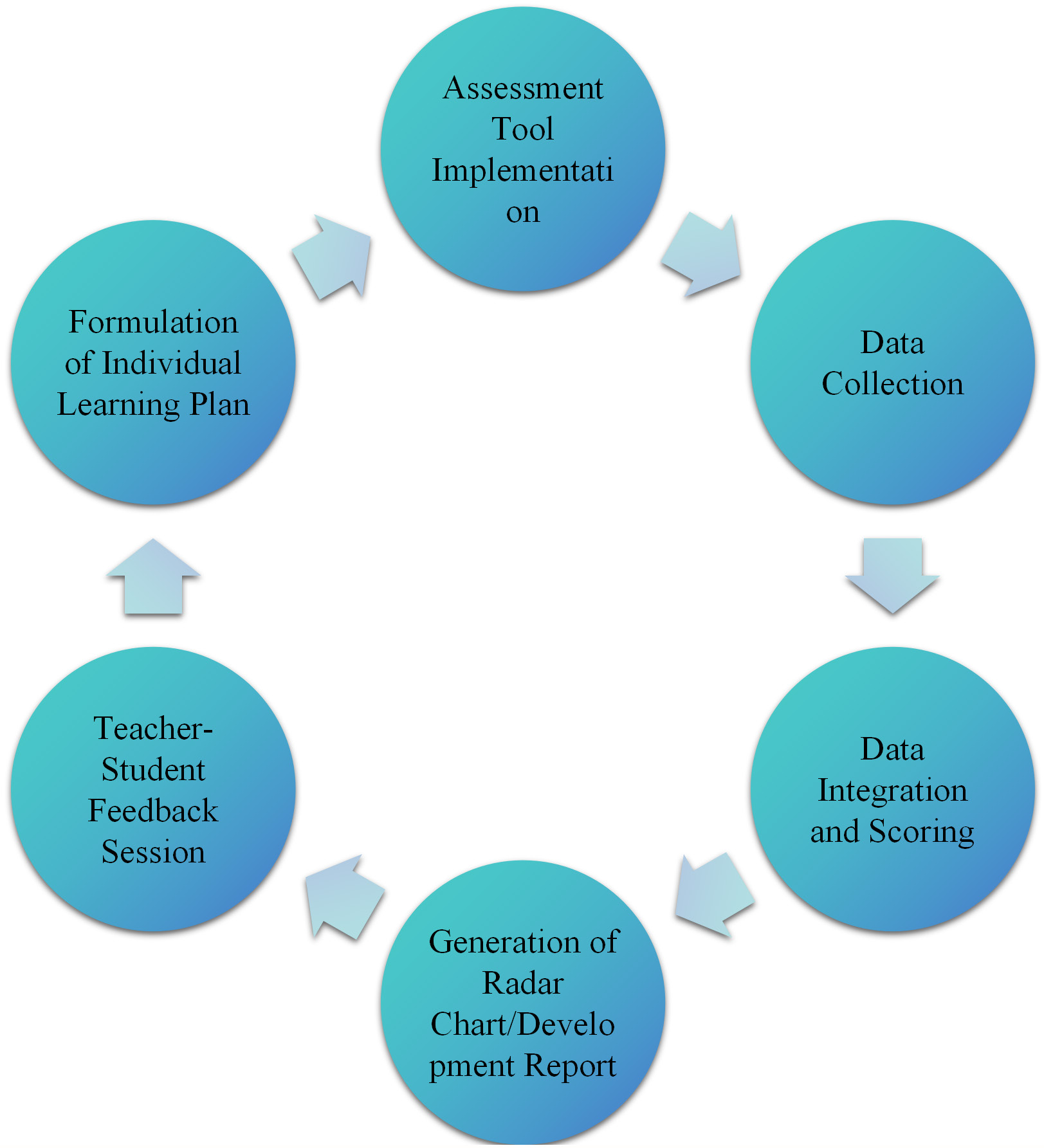
The assessment data for each student (such as OSCE station scores, Mini-CEX evaluation forms, feedback on reflective journals) will be aggregated. We will calculate a standardized score for each core competency dimension. For instance, all scores related to “Pain Diagnostic and Therapeutic Operation Skills” from different assessment tools will be integrated to derive a composite score for that dimension. Based on this data, a “Post Competency Development Radar Chart” (Figure 2) will be generated for each student. This chart provides a visual profile of the student’s strengths and areas for development, serving as the basis for personalized feedback and development plans. Additionally, Figure 3 illustrates the assessment-feedback cycle, detailing the process from the implementation of multiple assessment tools to data collection and integration, followed by the visualization of results (Radar Chart). The visualized profile then informs feedback and guidance, ultimately resulting in the development of individualized learning plans. The evaluation results should include assigned scores while emphasizing descriptive assessment, highlighting strengths, weaknesses and improvement suggestions. All formative assessment materials should be stored in student’s personal learning portfolios for reference in the mid-term assessment or the final comprehensive grade determination. Meanwhile, teaching adjustments should be made based on student performance, peer assessment outcomes, and instructor evaluations during implementation process. And teachers dynamically adjust the teaching content, methods, and strategies by analyzing the prevalent weak links.
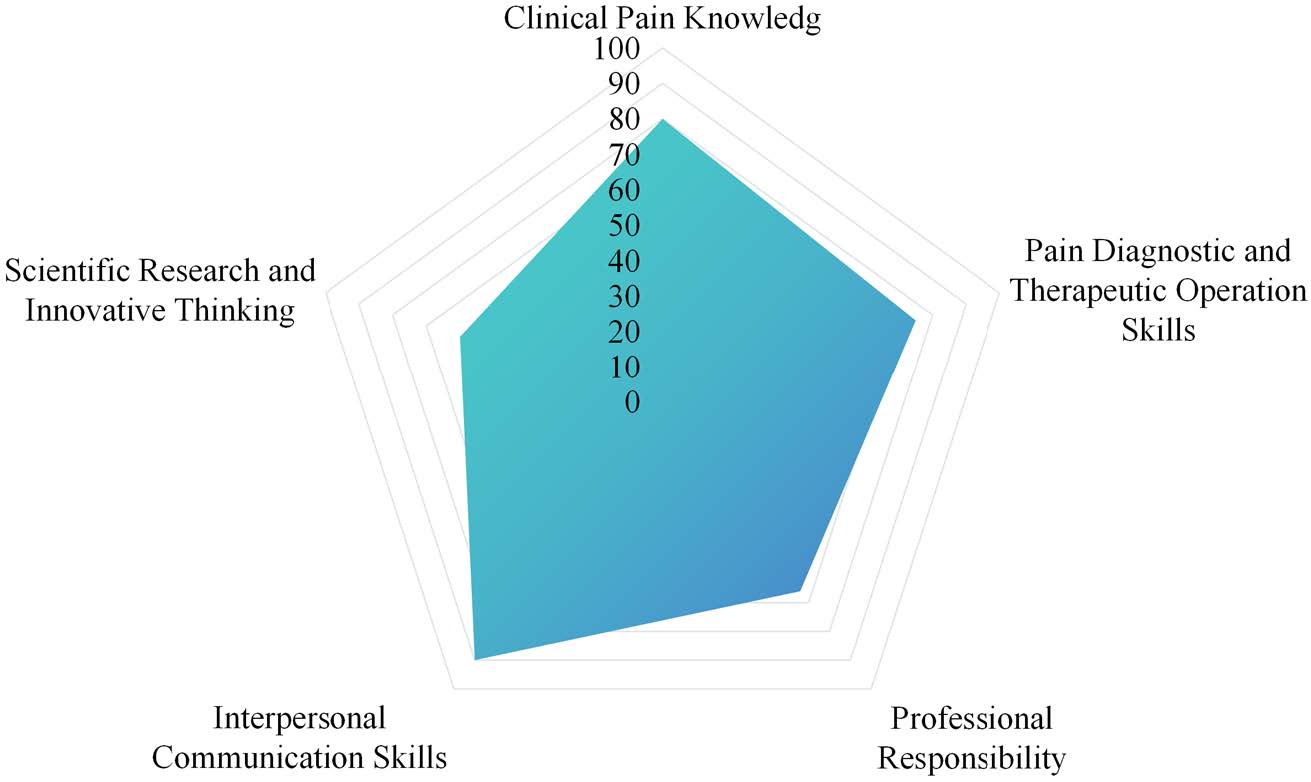
Figure 2. Post competency development radar chart (illustrative example).
6.1 Selection of pilot classes
One or two representative classes should be selected for pilot programs, such as those comprising students with diverse backgrounds or varying learning abilities. It is essential to ensure that the subject teachers and teaching administrators of the pilot classes understand and support this reform. Furthermore, formal consent and active cooperation must be obtained from college, teaching and research section, as well as from the teachers and students of the pilot class. Throughout the pilot phase, experience will be accumulated, problems will be promptly identified, and the plan will be refined in collaboration with participating instructors before its implementation is gradually expanded.
6.2 Training and assessment of teachers and students
Training for teachers: (1) Understand the concept and purpose of formative assessment, emphasizing its developmental nature rather than summative nature. (2) Master the specific usage methods, scoring criteria and common misunderstandings of various assessment tools. (3) Learn how to provide effective feedback that is specific, timely, based on direct observation, and focused on improvement). (4) Develop the ability to guide students in conducting self-assessment and peer assessment. (5) Learn to use the Feedback Quality Assessment Scale, which evaluates feedback across four dimensions: timeliness, specificity, behavior-based focus, and constructiveness, to ensure the effectiveness of feedback (Supplementary Table 1).
Format: case analysis, role-playing, observation and demonstration, among other methods.
Training for students: (1) Understand the purpose and significance of competency-based formative assessment, and be clear that it is a tool to support their learning and growth. (2) Be familiar with the processes and requirements of various assessment activities. (3) Learn how to interpret and utilize feedback from teachers and peers for self-improvement. (4) Learn how to conduct objective and fair peer evaluations.
Format: course introduction, dedicated orientation meetings, distribution of explanatory materials, and live demonstrations.
6.3 Implementation in phases
Phase One (Pre-course): This phase focuses on the assessment of basic knowledge and fundamental skills. Activities may include simulated pain history collection, observation of basic communication techniques, and quizzes on the basic pain theories.
Phase Two (Mid-course): This phase emphasizes the assessment of comprehensive application and clinical decision-making. Examples encompass the analysis and discussion of complete clinical cases, simulated diagnostic and treatment processes, and basic nerve block procedures on models.
Phase Three (Late-course): This phase prioritizes the assessment of knowledge integration, reflective practice, and complex situation management. Tasks may involve handling complex and challenging cases, discussing ethical dilemmas, and reviewing and displaying learning portfolios.
Following each phase, concentrated feedback and guidance should be provided to help students clarify the learning priorities for the subsequent stage.
6.4 Expected challenges
Teacher’s workload will increase significantly. Designing assessment tools, organizing implementation, observing and recording student performance, providing feedback, and managing associated data will add extra work for teachers.
Teachers’ feedback skills require systematic training. Not all teachers naturally possess the professional skill to provide high-quality, learning-focused feedback. Ineffective feedback (such as vague or overly critical comments) may hinder rather than support student development.
Student may initially experience discomfort with the new assessment model. Accustomed to traditional summative assessments, they might feel unfamiliar with frequent formative evaluations, peer reviews, and self-reflection, potentially leading to anxiety or resistance.
The formative assessment system constructed in this study is not created in isolation; rather, it is a systematic integration and innovation based on established assessment theories in international medical education, adapted to the specific needs of pain diagnosis and treatment. The following section compares this system with several classic assessment models to clarify its theoretical grounding and practical value.
Firstly, this system comprehensively addresses the physician competency levels outlined in Miller’s Pyramid [19]. At the “knows” level, students’ clinical pain knowledge is assessed through formative written tests and oral questioning. At the “knows how” level, their clinical reasoning is evaluated through case analysis and PBL discussions. At the “shows how” level, their procedural and communication skills are directly observed through OSCE stations and simulated operations. Finally, at the “does” level, their integrated performance and professionalism are assessed in real or highly simulated clinical settings via Mini-CEX and DOPS. This multi-layered design ensures a continuous assessment pathway that spans from theoretical knowledge to practical application [20, 21].
Secondly, the core design philosophy of this system aligns closely with programmatic assessment. Programmatic assessment emphasizes that significant decisions about a learner’s competence should be based on numerous, varied assessment activities (“small snapshots”) rather than relying on a single high-stakes examination. The multiple tools adopted in this study—OSCE Mini-CEX, reflective journals, case reports—precisely embody this philosophy. By systematically collecting data from these assessment activities throughout the entire course into students’ “learning portfolios” and conducting integrated analyses (such as generating post-competency radar charts), a more comprehensive, reliable, and fair overall judgment of student abilities can be formed, thereby realizing the developmental purpose of assessment [22, 23].
Finally, this system organically integrates the core tools of workplace-based assessment (WBA) [24]. Mini-CEX and DOPS themselves are exemplary tools of WBA, promoting learning by directly observing trainees’ performance in authentic clinical settings and providing immediate feedback. The innovation of this study lies in the proactive and systematic introduction of these WBA tools, typically used in residency training, into the undergraduate pain diagnosis and treatment curriculum. Moreover, by combining them with other assessment methods (such as written tests and reflective journals), the study constructs a formative assessment closed loop that runs through theoretical learning and early clinical practice [25]. This approach not only allows students to become familiar in advance with assessment models they will encounter post-graduation but also significantly enhances the authenticity and predictive validity of the assessment.
The effectiveness and feasibility of this system will be verified through subsequent empirical studies. After implementation in pilot classes, a mixed-methods approach will be employed to collect data: quantitatively, by comparing final OSCE scores and student course satisfaction ratings between pilot and control groups; qualitatively, through semi-structured interviews with participating students and teachers to gain an in-depth understanding of implementation barriers and facilitating factors. Long-term outcomes will be assessed through longitudinal tracking of graduates’ post competency.
This study establishes a diversified formative assessment system that precisely aligns with the competency requirements of pain diagnosis and treatment practice and demonstrates its potential value in enhancing teaching quality. By systematically integrating a competency-based model with multiple formative assessment tools and applying them to the distinct field of pain management, the study provides a structured framework for educational improvement. Furthermore, it outlines directions for subsequent research, such as conducting empirical studies to verify the effectiveness of the system, developing standardized assessment tools and intelligent evaluation support systems, and exploring its applicability to other clinical specialty courses.
Author contributions
Bing Liang (Co-first author): Conceptualization, Methodology, Model development, Writing - Original draft. Xiaojing Guo (Co-first author): Research design, Literature review, Evaluation indicators development, Revising the manuscript, Conceptualization, Methodology. Zhanheng Chen: Model construction, Methodological discussion. Mi Li (Corresponding author): Research supervision, Writing - Review & editing, Academic oversight. Yimin Yuan (Corresponding author): Research design, Methodological guidance, Writing-Review & editing. Zui Zou (Corresponding author): Project administration, Resource coordination, Final manuscript approval. All authors read and approved the final manuscript.
Funding
This work was supported by the Anesthesiology Teaching Development Start-up Fund 2024 (2024MZQN06), the Teaching Research and Reform Project of Naval Medical University (JYG2024B24), and the National Education Discipline Planning Project (JYKY-D2024022).
Data availability
Not applicable.
Ethics approval and consent to participate
Not applicable.
Consent for publication
Not applicable.
Competing interests
The authors declare that they have no competing interests.
Acknowledgements
Not applicable.
(PDF, 195KB)
[1] McClelland DC. Testing for competence rather than for "intelligence". Am Psychol. 1973 Jan;28(1):1-14. https://doi.org/10.1037/h0034092
[2] Li Z, Ren H, Chen K, Li D, Qin H. Practice of flipped classroom and formative assessment in pathology teaching. China Med Eng. 2025;33(3):114-117.
[3] Tian X, Zhang M, Che G, Yang Y, Zhang Y. Application of formative assessment and competency development in simulation teaching of pediatric clinical skills. China Higher Med Educ. 2025;(1):116-118.
[4] Ye T, Sun H, Harman AE, Deiner SG, Mitchell JD, Macario A. Anesthesiology milestones 1.0: Residents' learning trajectories and training outcomes. Anesth Analg. 2025 Aug 14. https://doi.org/10.1213/ane.0000000000007693
[5] Xiao X, Qi Q, Chen A. The incentive strategies of using maslow's hierarchy of needs theory to formulate residents' standardized training students. CCME. 2021;13(20):85-88. https://doi.org/10.3969/j.issn.1674-9308.2021.20.024
[6] Xie Y, Zhao J, Du C, Li L, Yan J. Teaching practice and thinking of four diagnosis training of traditional Chinese medicine diagnostics guided by the staged examination of practicing physicians of traditional Chinese medicine. Chin Med Mod Distance Educ China. 2022;20(2):193-195.
[7] Fang X, Liu J, Huang S, Bu Y. Application of online multi-mode teaching in the practice teaching of pain diagnosis and treatment. Clin Educ Gen Pract. 2024;22(11):1014-1016. https://doi.org/10.13558/j.cnki.issn1672-3686.2024.011.016
[8] Wang S, Zong X. Theoretical connotation and practice reflection of formative assessment. J Teach Manag. 2020;(15):1-4.
[9] Ren Z, Huang K, Wang R, Yu J. Discussion on periodic practical teaching of diagnosis and treatment of pain in undergraduate student in anesthesiology. China Higher Med Educ. 2019;(6):71-72.
[10] Cui L, Guo J, Wang X, Duan Y, Gao Z, Zhang H. Construction of the competency evaluation framework for residents in anesthesiology. Chin J Grad Med Educ. 2024;8(2):92-96.
[11] Demartini L, Bonezzi L, Bonezzi C. Pain diagnosis and treatment according to the pain generating factors. G Ital Med Lav Ergon. 2020 Jun;42(2):124-132.
[12] Louw A, Zimney K, O'Hotto C, Hilton S. The clinical application of teaching people about pain. Physiotherapist Theory Pract. 2016 Jul;32(5):385-395. https://doi.org/10.1080/09593985.2016.1194652
[13] Ge Y, Takeda Y, Liang P, Xia S, Nealy M, Muranaka Y, et al. Improving the communication skills of medical students - A survey of simulated patient-based learning in Chinese medical universities. BMC Med Educ. 2022 Jul 13;22(1):539. https://doi.org/10.1186/s12909-022-03596-0
[14] Ten Haven A, Pragt E, Luijk SJV, Dolmans DHJM, van Mook WNKA. Creativity: A viable and valuable competency in medicine? A qualitative exploratory study. Med Teach. 2022 Oct;44(10):1158-1164. https://doi.org/10.1080/0142159x.2022.2072278
[15] Lee GB, Chiu AM. Assessment and feedback methods in competency-based medical education. Ann Allergy Asthma Immunol. 2022 Mar;128(3):256-262. https://doi.org/10.1016/j.anai.2021.12.010
[16] Yang W, Ruan M, Gong J, Peng M, Wang Z, Xia W, et al. Motivational simulated teaching of clinical skills using formative assessment methods for medical undergraduate students: between-group evaluation of a simulated course in a Chinese medical college. BMJ Open. 2023 Sep 26;13(9):e069782. https://doi.org/10.1136/bmjopen-2022-069782
[17] Shinde SA, Joshi UU, Karanje NC, Ingale SS, Munjappa HB, Pagar AB. Effectiveness of structured feedback training on student's performance in formative assessment of physiology practicals: A comparative study. Cureus. 2025 Mar 6;17(3):e80176. https://doi.org/10.7759/cureus.80176
[18] Konopasek L, Norcini J, Krupat E. Focusing on the formative: Building an assessment system aimed at student growth and development. Acad Med. 2016 Nov;91(11):1492-1497. https://doi.org/10.1097/acm.0000000000001171
[19] Contractor JB, Rathod S, Singh P. Exploring competency-based anatomy education through direct observation with checklist as teaching-learning and assessment method: Lessons learnt through student feedback. J Med Educ Curric Dev. 2025 Mar 19;12:23821205251321807. https://doi.org/10.1177/23821205251-321807
[20] Majeed GM, Islam J, Nandakumar G, Phong K. Progress testing in UK medical education: Evaluating its impact and potential. Cureus. 2024 Jan 20;16(1):e52607. https://doi.org/10.7759/cureus.52607
[21] Li L, Ma W, Hu Y. Application of Miller's pyramid teaching method combined with standard operating procedures in clinical teaching of undergraduate nursing students in the operating room. Chin J Nurs Educ. 2025;22(08):968-974. https://doi.org/10.3761/j.issn.1672-9234.2025.08.012
[22] Schuwirth LW, Van der Vleuten CP. Programmatic assessment: From assessment of learning to assessment for learning. Med Teach. 2011;33(6):478-485. https://doi.org/10.3109/0142159x.2011.565828
[23] Wang R, He Y, Shi X, Shan L, Pan D. Application of procedural assessment in clinical teaching of undergraduates in respiratory medicine under the background of the pandemic. China Higher Med Educ. 2025;(6):101-102.
[24] Helms J, Zimney K, Weaver P, Courtney C, Wassinger C. Competency-based education: Development of the entry-level pain entrustable professional activities for workplace-based assessment. Phys Ther. 2025 Nov 3;105(11). https://doi.org/10.1093/ptj/pzaf126
[25] Pattinson J, Akanuwe J, Sonmez Efe S, Emerson K, Sales B, Merali S, et al. Experiences of UK general practice trainees undertaking workplace-based assessment who received a developmental outcome at their annual review of competency progression. Educ Prim Care. 2025 Sep;36(5):226-237. https://doi.org/10.1080/14739879.2025.2539735
ISSN: 3007-0007
Volume 2, Issue 1
April 2026
Pages: 1-63


 Log In

 On This Page
 CITE
CITE